

In this article, we explore the importance cinematography has gained within the world of film. Do you think images are key to a film’s success? Or do you think they often go unnoticed?

01. THE CINEMATOGRAPHERS’ GALA
First, we need to understand what the Oscars are.
We all know them as the Oscars, although their formal name is the Academy Awards of the Academy of Motion Picture Arts and Sciences.
Every year, they recognise excellence and the work of professionals in the film industry. Prestigious actors, directors and writers attend the ceremony each year to celebrate these achievements.
Now that we know what this event is about, you may be wondering: how does photography relate to cinema? Has it taken on an important role?
Since 1928, the Oscar for Best Cinematography has been presented as part of the Academy Awards ceremony.
02. THE RELATIONSHIP BETWEEN PHOTOGRAPHY AND CINEMA
Photography and cinema work in close collaboration. Film is a form of expression that combines different elements to tell stories and convey emotions.
Cinematography plays an essential role because it provides the visual language. This is vital to the filmmaking process, establishing the atmosphere and aesthetic of every scene while bringing each detail to life.
This is why cinematography is so important: it immerses the viewer in the story and helps them feel part of what is happening on screen through its ability to convey emotions and sensations.
This is achieved through the work of cinematographers, who bring the director’s vision to life. They use lighting, framing, colour and other visual elements to complete the narrative.
We can therefore say that a film’s success also depends on the visual world captured through the lens.
03. THE UNITED KINGDOM LEADS THE RECORD TABLE WITH 19 OSCARS FOR BEST CINEMATOGRAPHY
Looking at the history of the Best Cinematography category, we can see that the United Kingdom has been one of the leading countries in recent years.
Why is that? To understand it, we need to go back in time.
During the 1950s, artists from the United States won most of the statuettes. However, Charles Rosher was the first cinematographer to win in this category.
He won in 1928 for the colour film “Sunrise: A Song of Two Humans”. That award marked only the beginning of a long history of British cinematographers in the field.
The United Kingdom stood out especially during the 1980s, when it won 8 of the 10 awards presented. One of the key names was Chris Menges, who took home two Oscars.
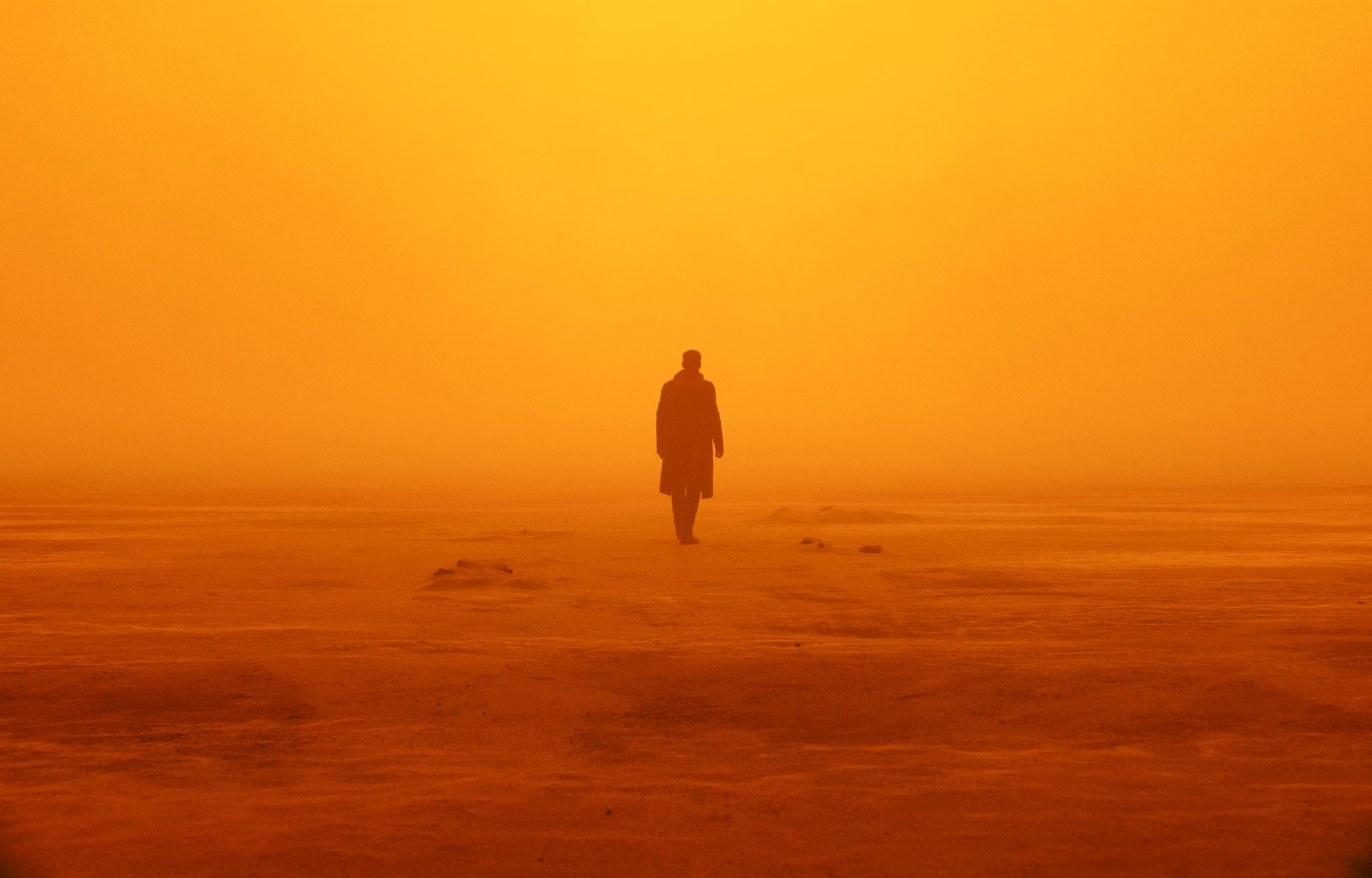
In more recent years, Roger Deakins has played a crucial role, receiving no fewer than 15 nominations. Among his most notable works is “Blade Runner 2049”, which won in 2017 and is considered one of the most visually accomplished films in terms of image quality and special effects.
04. BRITISH OSCAR-WINNING CINEMATOGRAPHY
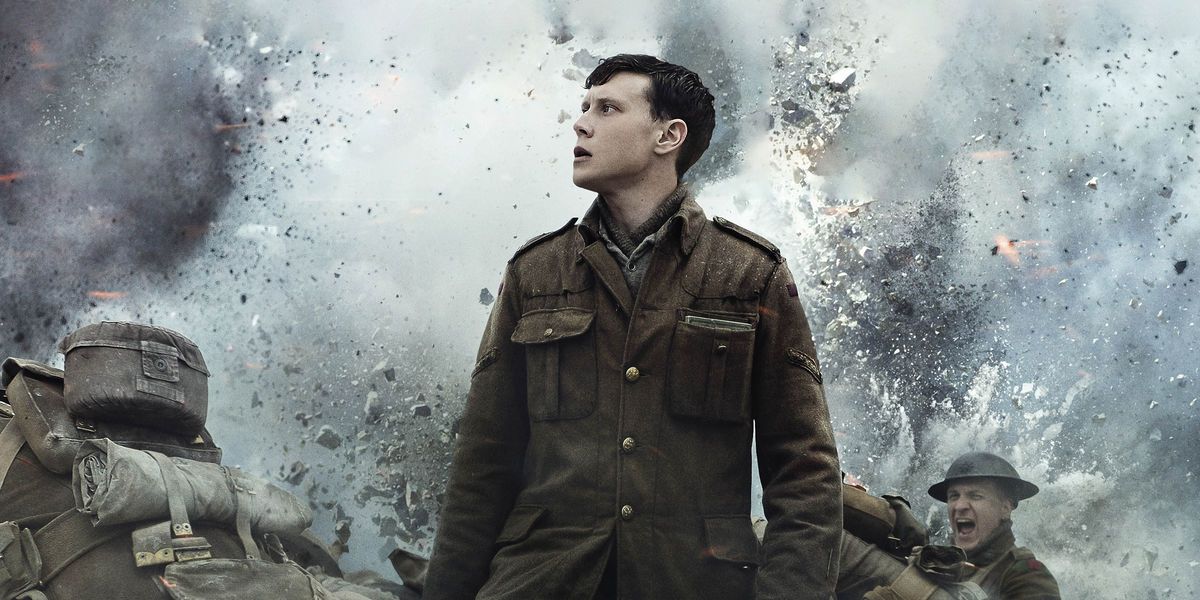
Two years later, Deakins won his second Oscar with “1917”. The long-take approach, which places the viewer almost inside the action as another character, was a key element.
He combined this technique with natural exterior light and outstanding visual effects.
Following the same theme, we find “All Quiet on the Western Front” (2022), shot by James Friend.
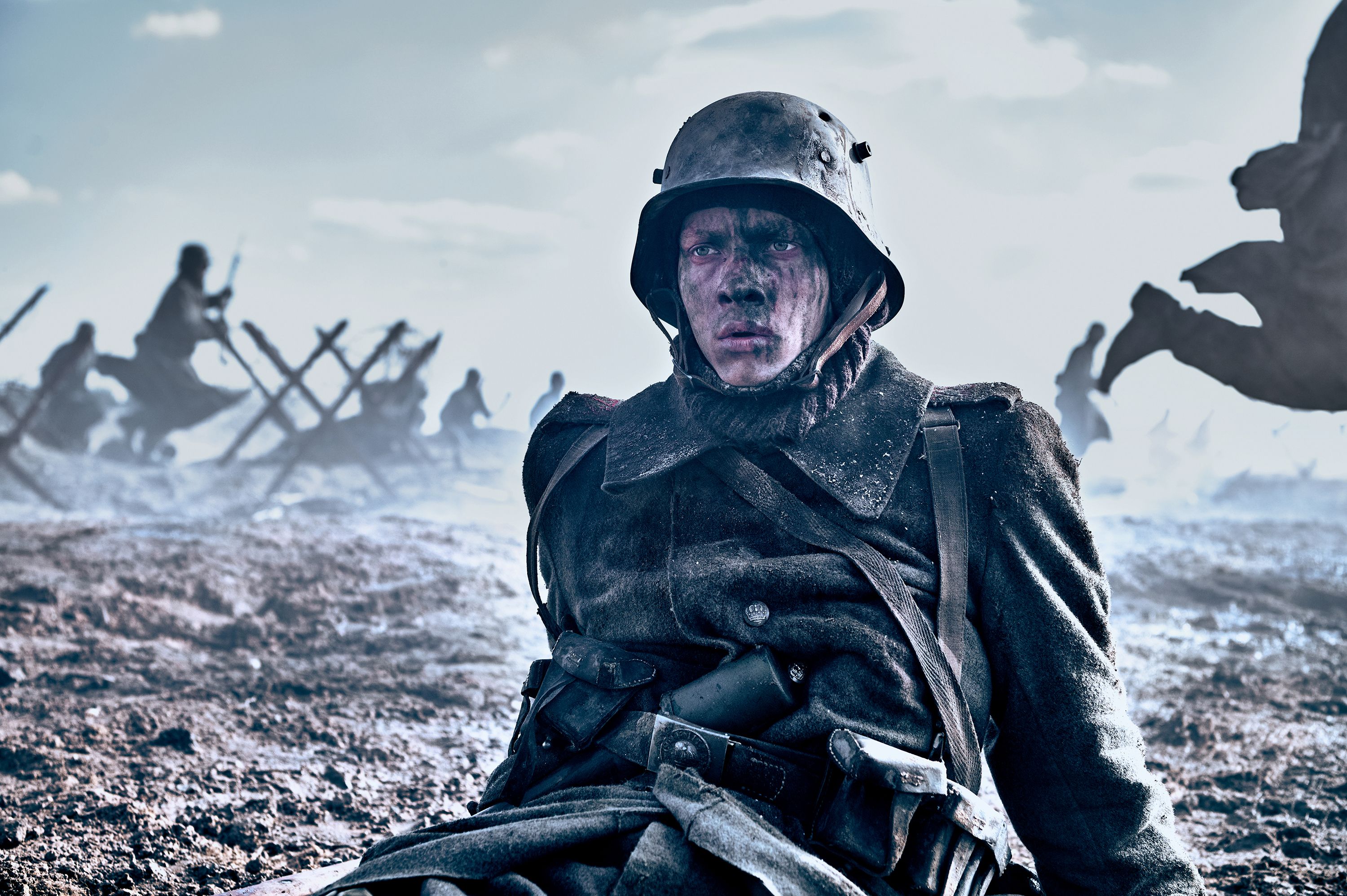
He used some of the best cameras and technologies available throughout the shoot. Despite the harsh conditions, he captured the character and atmosphere with great precision. His images convey the character’s desperation and reflect what the director wanted to communicate: what soldiers experience during armed conflict.
05. CONCLUSION
We can conclude that cinematography is just as important as the other major elements of a film. A great script or an elite cast is not enough on its own. A skilled cinematographer is also needed to translate the film’s subject and atmosphere into images.
We should not forget that photography gives films much of their distinctive visual character.
¿Quieres mejorar la calidad visual de tus imágenes?
Introduce tu teléfono o emailARTÍCULOS RELACIONADOS